Blocks are the trailer, not the movie
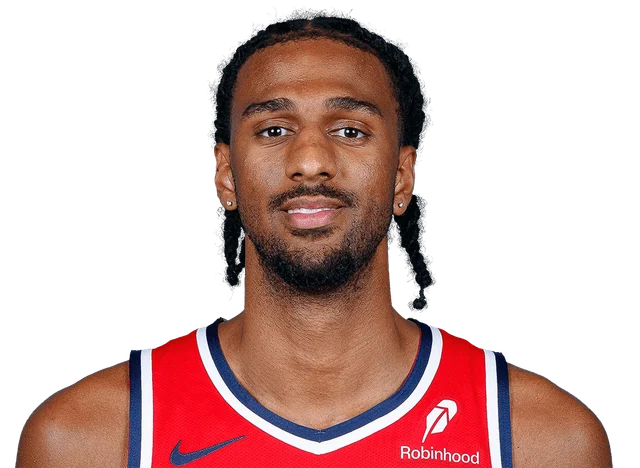
Sarr's weak-side rejections will always travel on social media. His real development is measured by how often the possession never becomes a clean shot at the rim. Early positioning, screen communication and disciplined verticality decide whether his physical tools become a reliable team defense.
A block is an event. Rim protection is a system. The system begins with the guard influencing the ball, the wing tagging the roller and Sarr arriving at the correct depth. When one piece is late, his length can rescue the play. When every piece is early, the offense often settles before he has to jump.
That distinction should shape how fans watch him. Count the drives that turn away, the pocket passes that never open and the possessions where the ball handler gives it up without reaching the restricted area.
The best rim protection often ends without a block attempt.
Watch the rebound after the contest
Young bigs often erase the first action and lose the second. Sarr's next step is recovering from the contest, finding a body and helping Washington complete the possession. That is where strength, anticipation and trust with the nearest wing matter more than vertical reach.
The box score assigns the rebound to one player, but the film can reveal three jobs: who forced the miss, who made first contact and who collected the ball. Sarr may perform two of those jobs on the same play. Washington should evaluate the chain, not only the final number.
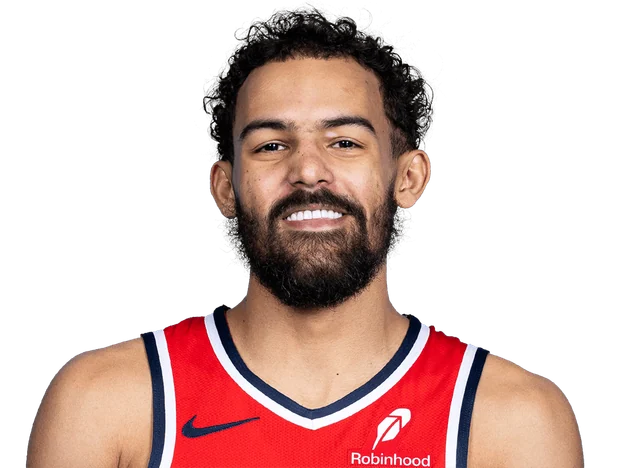
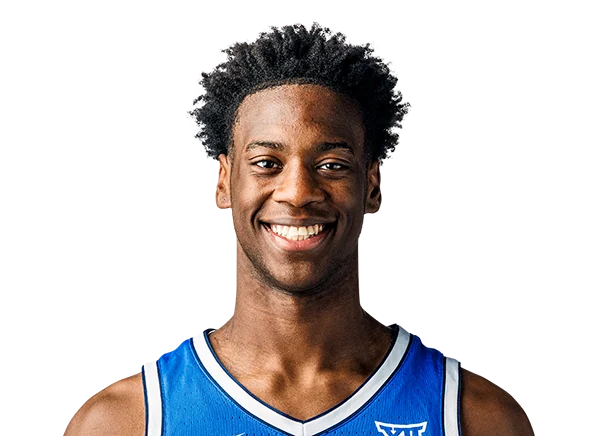
The payoff extends beyond defense. A clean rebound creates the quickest path to Dybantsa in transition and allows Young to receive the ball against a defense that is still retreating.
Screen coverage is a language
Sarr's physical range gives the coaching staff options: switch, play at the level, drop or show and recover. Versatility is useful only when the other four defenders understand the coverage at the same time. A late call turns an aggressive scheme into an open roll.
The next leap is therefore vocal as much as physical. He has to identify the screen, call the coverage early and adjust when the action changes angle. The guard must trust the call enough to send the ball where the help expects it.
A stable base coverage can help. Washington can keep the most common answer simple, then use switches and traps as matchup tools. Consistency makes the exceptions more dangerous.
Offensive decisions unlock the defense
Quicker reads on the short roll can keep Sarr involved without forcing difficult post possessions. A decisive pass, one-dribble finish or immediate handoff keeps the defense in rotation. Holding the ball gives all five defenders time to recover.
Those decisions affect the other end. Live-ball turnovers and awkward misses expose the Wizards in transition, where no rim protector can cover every lane. Better offensive organization creates a better defensive environment.
The ideal sequence is not complicated: screen with force, catch on balance, see the low defender and make the first available play. The more often Sarr produces that sequence, the more dangerous Young becomes as an off-ball threat after giving it up.
Which stats belong on the dashboard?
Points, rebounds and blocks remain useful, but they are the beginning of the evaluation. Fans should also track minutes, fouls, turnover rate, shot location, three-point volume, offensive-rebound chances and how the team performs with different frontcourt partners.
Rolling windows matter because development is rarely linear. Last-five, last-ten and last-twenty-game views can distinguish a short hot stretch from a real role change. The context still matters: opponent quality, minutes, lineup partners and injuries can move the numbers.
The WizKids Stats Lab should treat every trend as a starting point for film, not a betting promise or a final verdict. Data tells us where to look. The possession tells us why it happened.
The standard for the next season
Sarr does not need to become a finished offensive star for Washington to take a meaningful step. He needs to make the simple play faster, protect the defense from avoidable breakdowns and finish more of the possessions he helps disrupt.
If those habits improve, the highlight blocks become more valuable because they sit on top of a stable floor. If the habits do not improve, the highlights remain isolated events inside a defense that is always recovering.
That is the next leap: turning rare physical ability into ordinary, repeatable winning possessions.
WHO WROTE THIS?
FREDERICO · WIZARDS FAN, HOST, FILM-ROOM INSTIGATOR
Frederico created Washington WizKids to cover the team from a fan's point of view: direct, funny, skeptical and honest. Articles combine official source material, game film, statistics and the lived experience of following Washington through every version of the rebuild.
MEET FREDERICO →FAN QUESTIONS
QUICK ANSWERS
What should Wizards fans track beyond Alex Sarr's blocks?
Track rim deterrence, defensive rebounds after contests, foul rate, screen communication, short-roll decisions and how Washington performs with different frontcourt partners.
Why do Alex Sarr's offensive decisions affect the defense?
Quick passes and controlled finishes reduce live-ball turnovers and bad-floor-balance possessions. That gives Washington more chances to set its defense instead of asking Sarr to stop transition attacks.
Are last-five and last-ten game stats useful?
They are useful for spotting a change in role or form, but they need context. Minutes, opponents, injuries and lineup partners can make a small sample look more meaningful than it is.
RECEIPTS
SOURCES & FURTHER WATCHING
- Alex Sarr official Wizards video archive↗
- Washington Wizards 2025-26 end-of-season notes↗
- Alex Sarr NBA player profile↗
Editorial note: Embedded video remains hosted by its original publisher and belongs to its respective rights holder. Washington WizKids does not download or re-upload official highlights.