The timeline just changed
Washington spent years asking whether the young core could eventually become competitive. That question is outdated. The better question is how quickly this group can turn talent into a coherent identity. The roster now contains a proven lead guard, a veteran defensive centerpiece, a No. 1 pick and a young big with genuine two-way upside. That combination creates possibilities, but it also removes the comfort of evaluating every night as a consequence-free experiment.
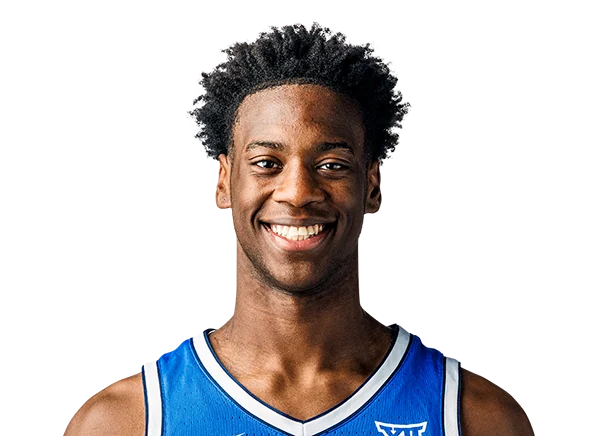
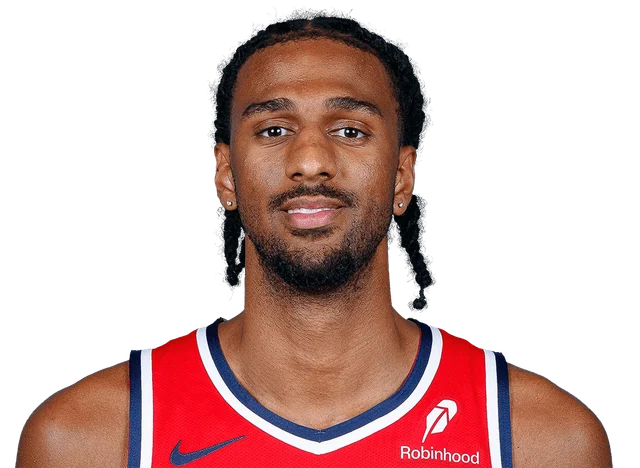
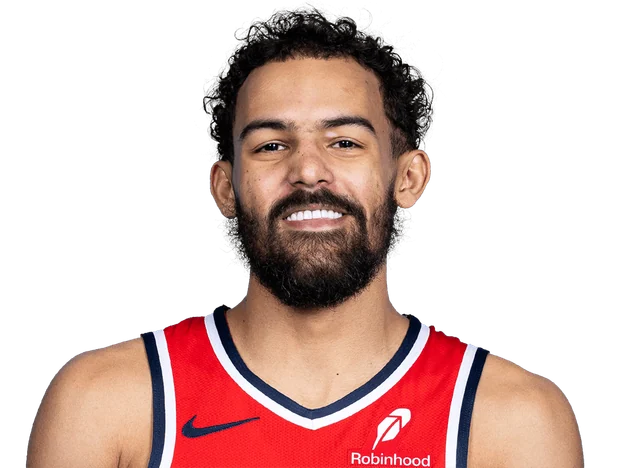
Trae Young supplies the organizing force. AJ Dybantsa changes the ceiling. Alex Sarr is no longer a theoretical building block, and Anthony Davis makes every conversation about health, fit and urgency feel immediate. Those names will bring national attention. The work that determines whether the attention lasts will happen in transition defense, late-clock spacing, screen navigation and the final six minutes of close games.
This season should not be framed as championship-or-bust. That would skip several steps. It should be clarity-or-bust: clarity about the best lineups, clarity about the hierarchy and clarity about which habits can survive when the schedule gets difficult.
This season is not championship-or-bust. It is clarity-or-bust.
Pressure point 1: who owns the possession?
Young can manufacture offense when a possession breaks down, and Washington has lacked that kind of reliable advantage creation. The risk is allowing that skill to become the entire system. The best version of this roster uses his shooting and passing gravity to accelerate Dybantsa and Sarr instead of turning both players into spectators waiting for a kick-out.
That balance will show up in small choices. Who initiates after a defensive rebound? Does Dybantsa receive the ball against a tilted floor or only against a set defense? Can Sarr make the second pass after a short roll? Does Washington flow into an action after the first option is denied, or does the possession stop until Young resets it? Those are development questions and winning questions at the same time.
The cleanest answer is a layered offense. Young should control the highest-leverage possessions, while early offense and second-side actions distribute useful work across the roster. Washington does not need equal opportunity. It needs purposeful opportunity.
Pressure point 2: build a defensive floor
The Wizards have length, athleticism and multiple credible back-line defenders. They still have to prove they can communicate, finish possessions and survive the point of attack. A defense built only on recovery plays is exhausting. Every spectacular block that saves a broken possession should lead to the same question: why did the defense need saving?
Sarr and Davis can erase mistakes, but the perimeter has to reduce the number of emergencies. The guards must get into the ball without opening straight-line drives. The wings must tag rollers and still recover to shooters. The nearest defender must put a body on someone when the shot goes up. Washington's standard cannot be a handful of highlight blocks; it has to be five-player possessions that end with one contested shot and one rebound.
The coaching staff can make the evaluation easier by establishing non-negotiables. Sprint back after every live-ball turnover. Protect the middle before matching up. Call out every screening action early. Track defensive rebounds by responsibility, not just by the player who collects the ball. A young team improves faster when the film identifies a clear job for everyone.
Pressure point 3: manage Anthony Davis without guessing
Davis changes the team only when he is available. That does not mean Washington should coach scared. It means the organization needs a transparent workload plan that connects medical information, lineup data and the competitive calendar. Random rest creates confusion; a defined process creates trust.
His position matters too. Minutes at center can maximize spacing and defensive range, but they can also increase the physical burden. Pairing him with Sarr may protect the rim and the glass while asking the offense to solve a tighter floor. The correct mix may change by matchup. What cannot change is the reason behind it.
Fans should pay attention to patterns rather than one-night totals: how often Davis is the primary screener, whether Washington can defend without sending him into every action, which teammates stabilize the non-Young minutes, and whether the closing group can score without sacrificing rebounding. Those details will say more about the plan than any press-conference slogan.
Pressure point 4: develop AJ without shrinking his job
Dybantsa should not have to prove he is a finished isolation scorer before receiving meaningful responsibility. Washington can involve him as a screener, cutter, transition handler, offensive rebounder and second-side creator from the opening month. Those roles produce useful touches while teaching him how NBA defenses load up.
The challenge is separating freedom from vagueness. Telling a rookie to be aggressive is not a development plan. Giving him two early actions, one reliable counter and a clear defensive assignment is. His mistakes should be evaluated inside those responsibilities instead of becoming a nightly referendum on his future.
The roster's veterans can help by making the game simpler without taking it away from him. Young can create favorable matchups. Davis can occupy help defenders. Sarr can run the floor and pull rim protection away from driving lanes. The goal is not to hide Dybantsa; it is to let him attack situations that teach the right lessons.
The lineup test that matters most
Starting lineups attract the searches, but closing lineups reveal the real hierarchy. Washington needs to learn which five players can get a good shot, defend without excessive switching and finish the rebound when every possession is scouted. That group may not be the same five that begin the game.
A productive season would give the coaching staff at least two trustworthy closing shapes: one built for speed and spacing, another built for size and defense. If the Wizards can change styles without abandoning their principles, they will be harder to prepare for and better equipped to protect the young core from matchup extremes.
That is the practical definition of progress. Not a viral prediction, not a September win total and not one hot week. The season succeeds if the team finishes it knowing what it is, which players drive that identity and what must be added next.
WHO WROTE THIS?
FREDERICO · WIZARDS FAN, HOST, FILM-ROOM INSTIGATOR
Frederico created Washington WizKids to cover the team from a fan's point of view: direct, funny, skeptical and honest. Articles combine official source material, game film, statistics and the lived experience of following Washington through every version of the rebuild.
MEET FREDERICO →FAN QUESTIONS
QUICK ANSWERS
What should Wizards fans watch first in 2026-27?
Watch the possession hierarchy: who initiates, how often AJ Dybantsa and Alex Sarr receive meaningful touches, and whether the offense can continue after the first action is stopped.
What is the biggest Washington Wizards lineup question?
The biggest question is which five players close games. That group must balance Trae Young's creation, wing defense, rebounding and enough shooting to keep the floor open.
Does Washington need to make the playoffs for the season to be successful?
No single standings target defines success. A credible season should produce a stable identity, clearer player roles, better defensive habits and evidence that the young core can function in meaningful games.
RECEIPTS
SOURCES & FURTHER WATCHING
- Washington Wizards 2025-26 end-of-season notes↗
- Washington selects AJ Dybantsa first overall↗
- Washington Wizards official videos↗
Editorial note: Embedded video remains hosted by its original publisher and belongs to its respective rights holder. Washington WizKids does not download or re-upload official highlights.