Do not make the rookie wait for the ball
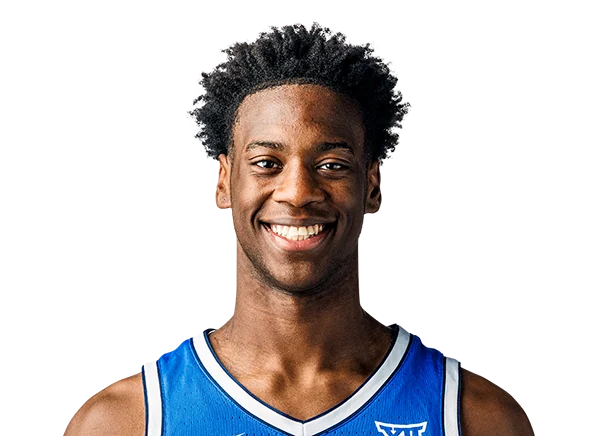
Dybantsa's first NBA value should not depend on winning isolation possessions against a loaded defense. Washington can involve him immediately as a screener, cutter, transition handler and second-side attacker. Those jobs create momentum without asking him to solve all five defenders every trip.
The distinction matters because touches are not the same as responsibility. A player can catch the ball ten times without making a meaningful decision. Washington should give Dybantsa possessions with a purpose: attack a closeout, screen and slip, push after a rebound or punish a guard after a switch.
A rookie who knows why the ball is arriving can play faster. A rookie who is simply told to create often dribbles until the original advantage disappears.
The fastest path to confidence is useful work, not empty touches.
The inverted pick-and-roll
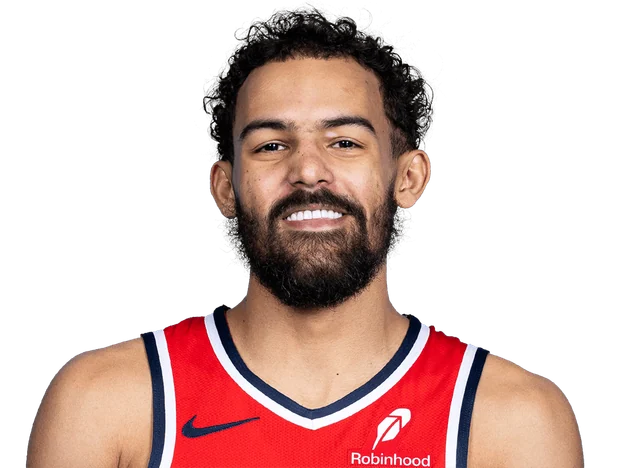
Letting Dybantsa screen for Young forces two defenders to make uncomfortable choices. Switch and AJ gets a smaller player. Show help and Young sees daylight. Stay home and the defense gives up a clean angle. It is a simple action with several possible advantages.
It also teaches the rookie how NBA defenses communicate before asking him to read the entire floor as a primary creator. His first read can be direct: slip if the defender jumps out, roll if the switch is late, or seal the smaller matchup if the defense concedes it.
Washington can disguise the action by beginning in a five-out shape or flowing into it after a handoff. The more the same alignment produces different problems, the less the rookie has to memorize and the more he can react.
Early offense is his friend
Dybantsa's strength and stride matter most before the floor shrinks. Hit-ahead passes, drag screens and quick wing entries can produce efficient chances without a complicated call. The defense is most vulnerable while matching up, which turns one decisive move into a paint touch.
This is why lineup construction begins with rebounding. A unit that secures the ball and outlets quickly gives Dybantsa a runway. A unit that needs every guard to retreat for the rebound loses the opportunity before the possession begins.
The lineup question is therefore bigger than who starts. Washington needs combinations that rebound, run and give AJ space to attack a moving defense.
Give him a second-side package
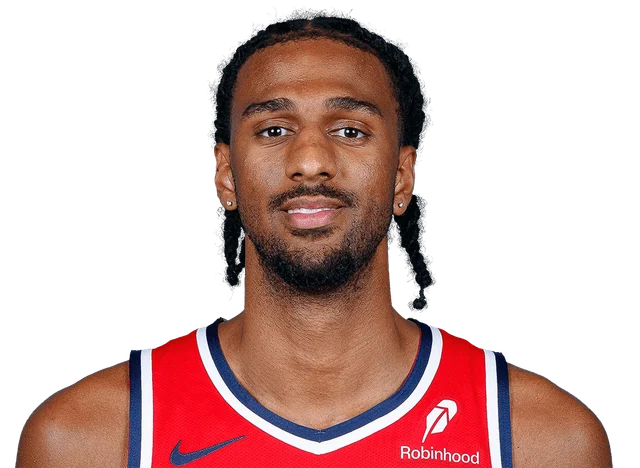
Young will attract two defenders. Davis and Sarr will pull help toward the lane. The next step is building a small package that lets Dybantsa attack the rotation created by those players. A wide pin-down, a shake cut and a baseline drift can be enough to start.
On the second side, AJ does not need to create the original advantage; he needs to recognize it. If the closeout is high, drive. If it is short, shoot. If the low man steps up, find the corner. Those reads are easier to learn because they repeat across different play calls.
The coaching value is measurable. Washington can chart whether he makes the correct first read, whether the ball reaches the paint and whether the possession creates a quality shot—even when AJ does not take it.
Which teammates make the game easier?
Young is the obvious creator partner because his range stretches the first line of the defense. Sarr is the development partner because both young players can run, screen and exchange positions. A shooting wing is the spacing partner because the strong-side corner cannot be allowed to collapse without consequence.
Davis creates a different version of the puzzle. His interior gravity can open cuts, but two-big lineups require precise spacing and quick decisions. If Washington uses that group, Dybantsa should move through the gaps instead of waiting outside them.
The worst fit is a lineup that lacks both shooting and pace. In that environment every mistake looks like a rookie problem, even when the real issue is structural.
What a successful rookie month looks like
The first month should not be judged only by points per game. Track rim attempts, free-throw pressure, assisted versus unassisted baskets, turnover type and the quality of his defensive assignments. Those indicators reveal whether the role is teaching transferable skills.
The film should also show fewer empty pauses. Dybantsa does not need to eliminate mistakes; he needs to make them at game speed while attempting the right job. A missed read followed by a decisive correction is progress.
If Washington gives him structure without shrinking his responsibility, the box score will eventually catch up to the impact.
WHO WROTE THIS?
WASHINGTON WIZKIDS STAFF · INDEPENDENT FAN MEDIA
Washington WizKids staff coverage combines official source material, game film, public statistics and an independent fan perspective. Every factual claim should be traceable to a named source, timestamp or correction trail.
READ OUR EDITORIAL STANDARD →FAN QUESTIONS
QUICK ANSWERS
What position will AJ Dybantsa play for the Wizards?
Dybantsa is listed as a forward, but his practical role should cross positions. Washington can use him as a wing creator, screener, transition handler and switchable defender depending on the lineup.
What is the best early action for AJ Dybantsa?
An inverted pick-and-roll with Trae Young is an efficient starting point because it can create a switch, a slip or an open lane without asking Dybantsa to beat a set defense from a standstill.
How should Washington measure his rookie development?
Track decision quality, rim pressure, free throws, turnover type, defensive assignments and whether his lineups create good shots. Points alone will not explain whether the role is working.
RECEIPTS
SOURCES & FURTHER WATCHING
- Wizards select AJ Dybantsa with the first pick↗
- AJ Dybantsa scores 27 in his Summer League debut↗
- AJ Dybantsa NBA player profile↗
Editorial note: Embedded video remains hosted by its original publisher and belongs to its respective rights holder. Washington WizKids does not download or re-upload official highlights.