Separate the player from the timeline
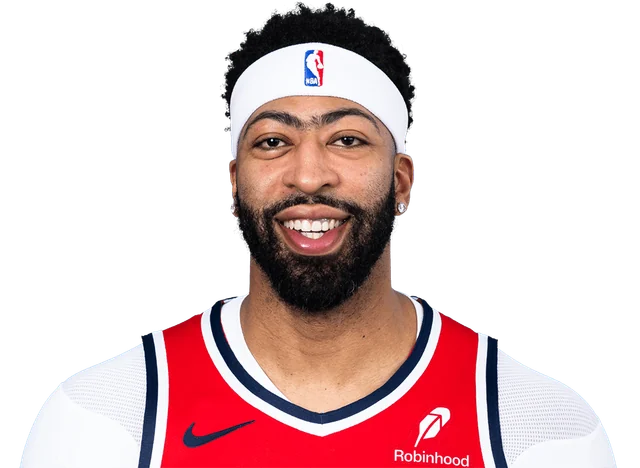
Davis can still change games at both ends. Washington's decision is not simply whether he is good enough. It is whether his healthiest, most productive seasons overlap with the moment the younger core is ready to win meaningful games.
That makes every long-term conversation a bet on availability, development speed and opportunity cost. The same player can be a strong basketball fit and a difficult timeline fit. Treating those questions as identical produces emotional decisions.
The Wizards should define the evidence they need before the season begins. Games played, position, workload, defensive impact, offensive fit and the progress of the young core all belong in the review.
The question is not whether Davis helps. It is what Washington is paying him to help become.
Where Washington has leverage
The Wizards can offer role stability, a featured defensive identity and the chance to shape a young roster. They can also wait for better information about health and lineup fit. Patience is not indecision when the missing information will arrive through actual games.
The front office also controls the structure of the evaluation. It can decide how often Davis plays center, which creators share the floor with him and whether he is carrying a workload that can survive an entire season. A player cannot be fairly evaluated inside a role the team never intended to maintain.
The leverage disappears if short-term excitement forces a long-term decision before the evidence arrives. Flexibility has value precisely because the correct answer can change.
The center-minutes question
Davis at center can create space for guards and wings while giving Washington a mobile back line. The tradeoff is physical burden. Davis next to Sarr may improve size, rebounding and rim protection, but the offense has to maintain enough movement and shooting to prevent the lane from shrinking.
Neither alignment should be treated as the permanent answer in August. The Wizards need a sample of both against different opponents. The most useful data will combine team performance with the kind of shots each lineup creates and allows.
The decision should also consider who closes games. A frontcourt that works for the opening six minutes may struggle when opponents switch every action late.
What fans should track
Watch games played, minutes at center, defensive workload and how frequently Washington can protect Davis from carrying every possession. Track whether he finishes games with enough energy to anchor the defense and whether the offense can create good shots without forcing him into repeated isolations.
Pay attention to the lineups around him. Does Dybantsa find driving space? Can Sarr remain involved as a screener and short-roll passer? Does Young have a release valve when the defense traps? The Davis decision affects the entire development ecosystem.
Those details matter more than negotiating noise. Public reports can change quickly; possession-level fit is harder to fake.
What Washington cannot control
The Wizards cannot guarantee health, eliminate the market or control how other teams value veteran stars. They cannot force the young core to develop on a convenient timeline. Those uncertainties are reasons to build options, not reasons to panic.
They also cannot treat every strong week as proof that the rebuild is finished. Short samples create powerful emotions, especially when a recognizable star changes the team's floor. The review should return to the same checkpoints regardless of a winning or losing streak.
A disciplined organization makes room for new information without rewriting the entire plan after every result.
The decision tree
If Davis is healthy, the young core accelerates and the best lineups look sustainable, Washington has evidence for continuity. If he is healthy but the timeline remains distant, the organization must compare the value of keeping him with the value of future flexibility. If availability prevents a stable evaluation, the risk calculation changes again.
That framework does not produce a dramatic headline, but it protects the franchise from deciding the answer before it knows the question. The best front offices preserve multiple good paths until one becomes clearly better.
Washington's job is to enter the season with those paths intact—and leave it with enough evidence to choose one.

WHO WROTE THIS?
WASHINGTON WIZKIDS STAFF · INDEPENDENT FAN MEDIA
Washington WizKids staff coverage combines official source material, game film, public statistics and an independent fan perspective. Every factual claim should be traceable to a named source, timestamp or correction trail.
READ OUR EDITORIAL STANDARD →FAN QUESTIONS
QUICK ANSWERS
What is the main question in Washington's Anthony Davis decision?
The central question is whether Davis' healthiest productive seasons overlap with the competitive timeline of the Wizards' young core—not merely whether he can still help a team win.
Why do Anthony Davis' minutes at center matter?
Center minutes can improve spacing and defensive mobility, but they may increase physical burden. Minutes beside Alex Sarr can protect the paint and glass while creating different spacing questions.
What evidence should fans watch before reacting to rumors?
Track availability, workload, closing lineups, position, defensive responsibilities and how the young players perform beside him. Those patterns are more informative than one report or one hot week.
RECEIPTS
SOURCES & FURTHER WATCHING
- Anthony Davis official NBA profile↗
- Washington Wizards 2025-26 end-of-season notes↗
- Washington Wizards official video archive↗
Editorial note: Embedded video remains hosted by its original publisher and belongs to its respective rights holder. Washington WizKids does not download or re-upload official highlights.